Strategic assistance to
"Food is Never Waste"

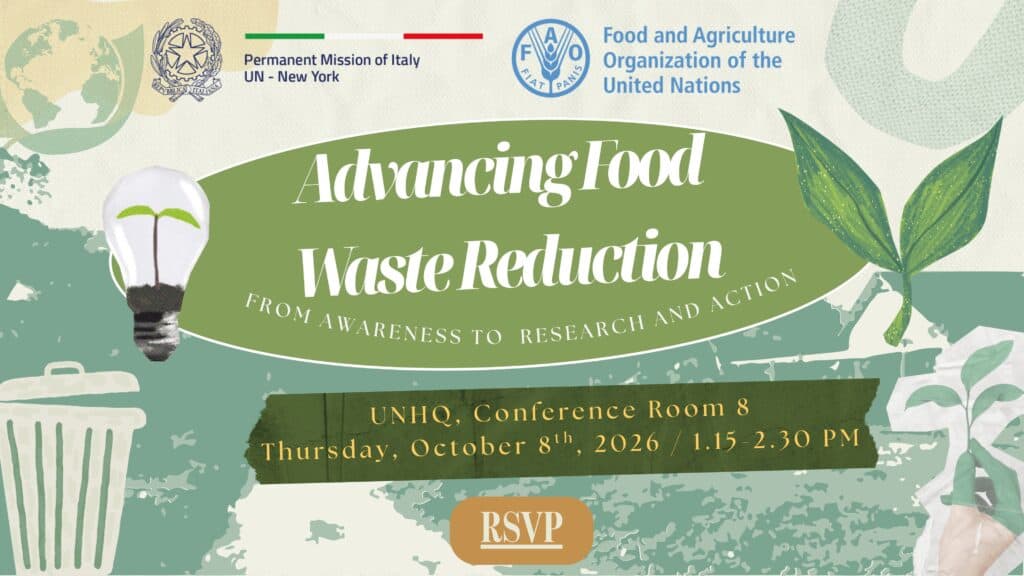
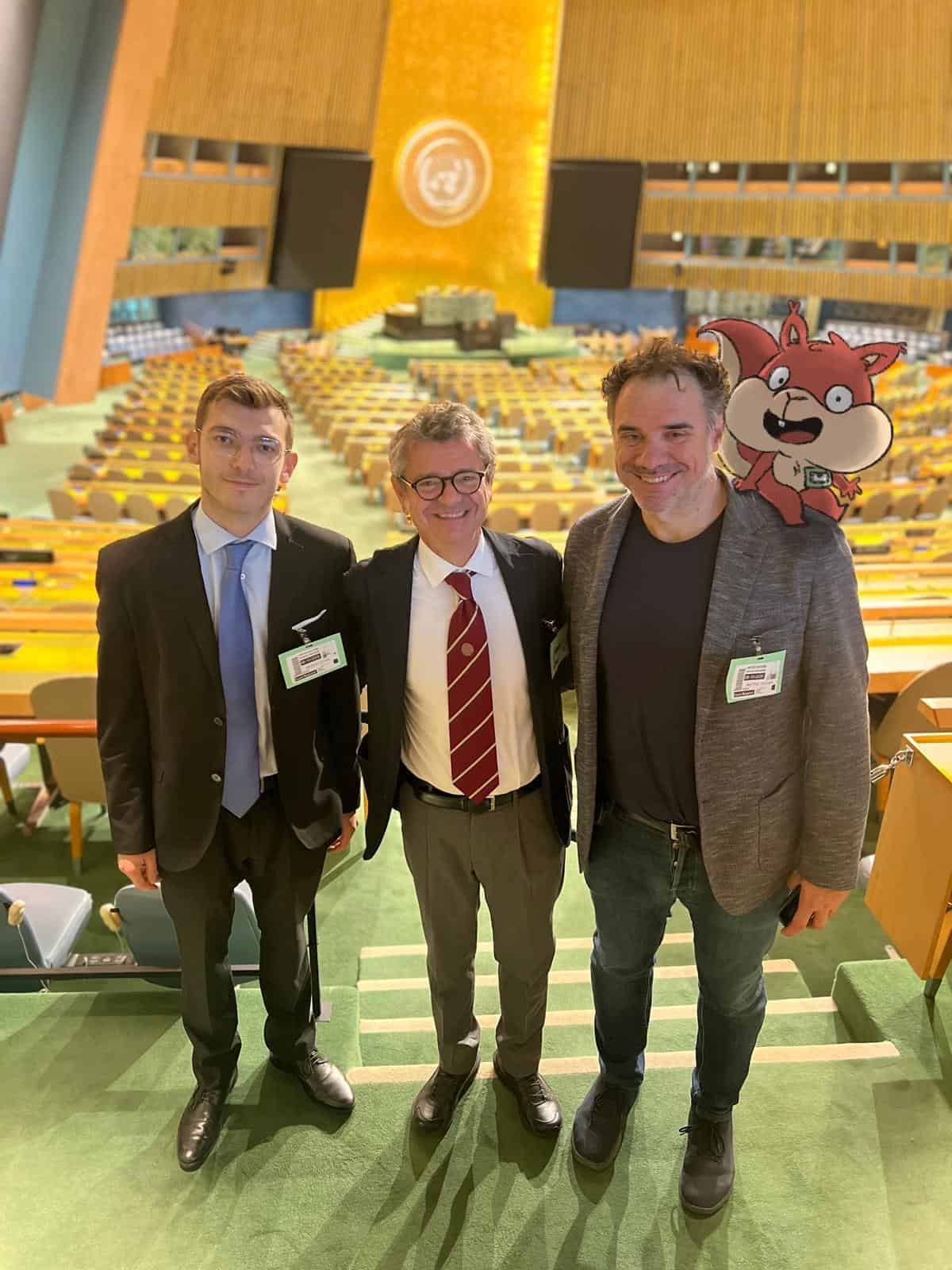
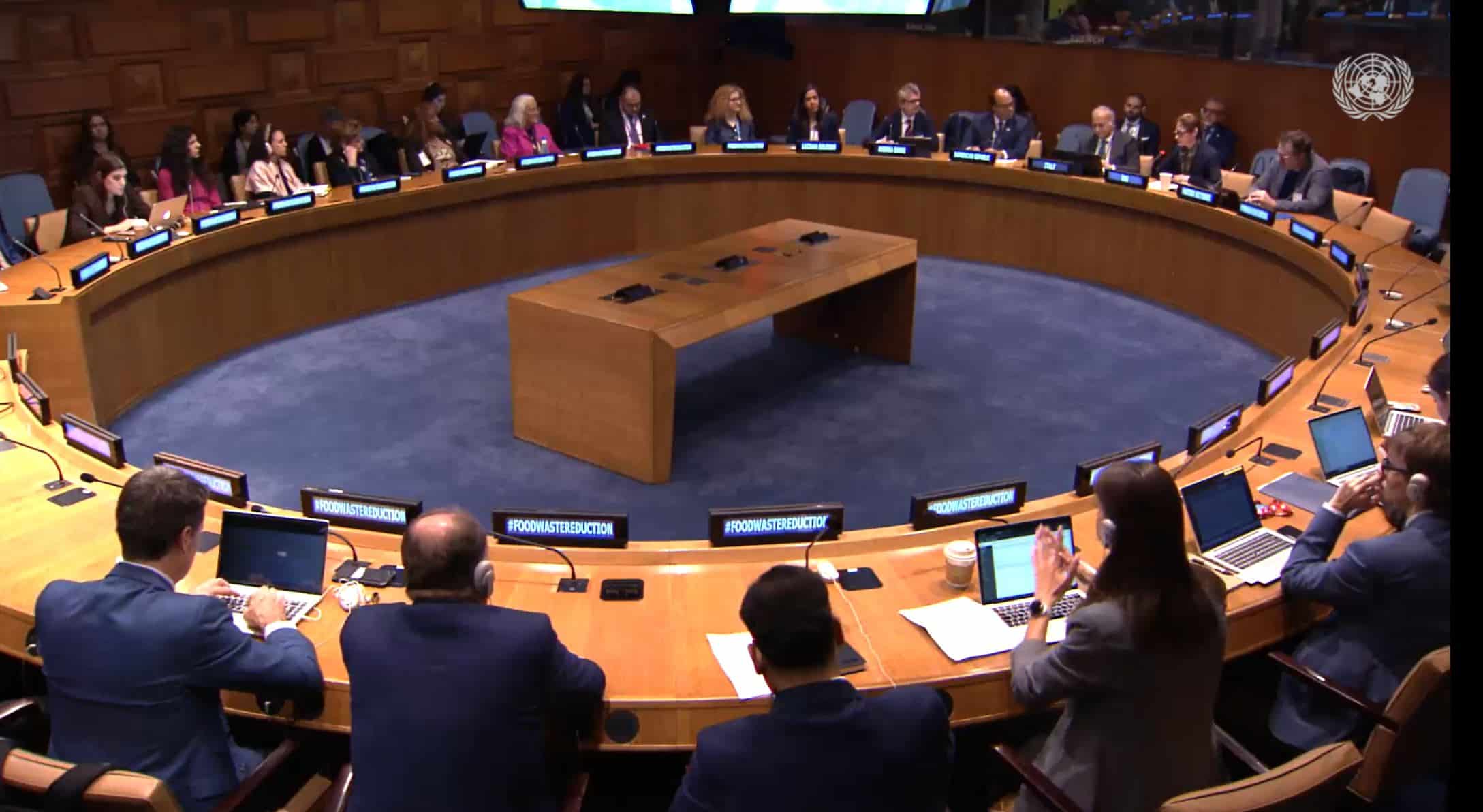
The event “Advancing Food Waste Reduction: From Awareness to Research and Action”
taking place on
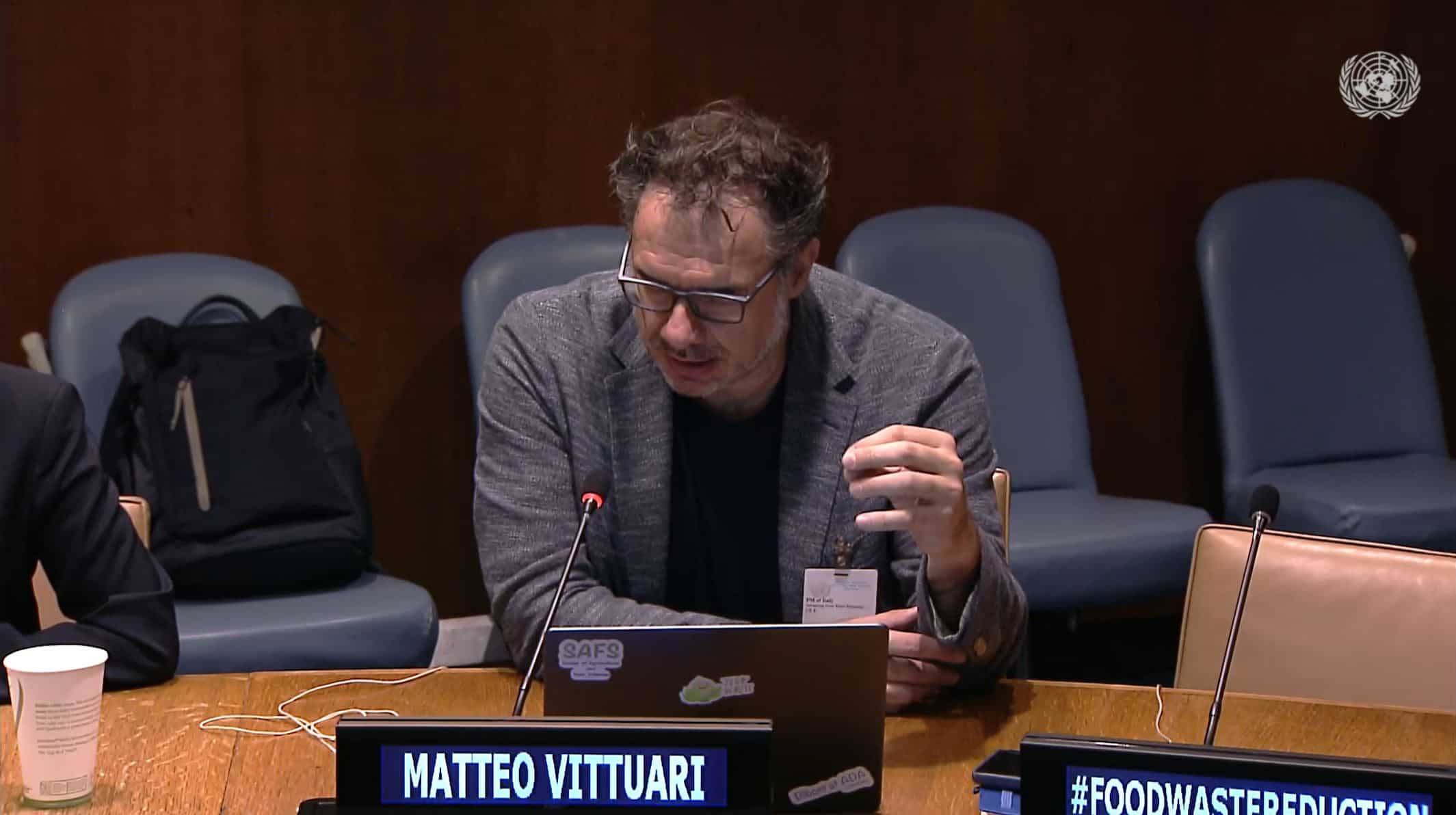
- Matteo Vittuari, Professor at the University of Bologna – DISTAL and Coordinator of the FOOT – Food Coalition for Food Loss and Waste project;
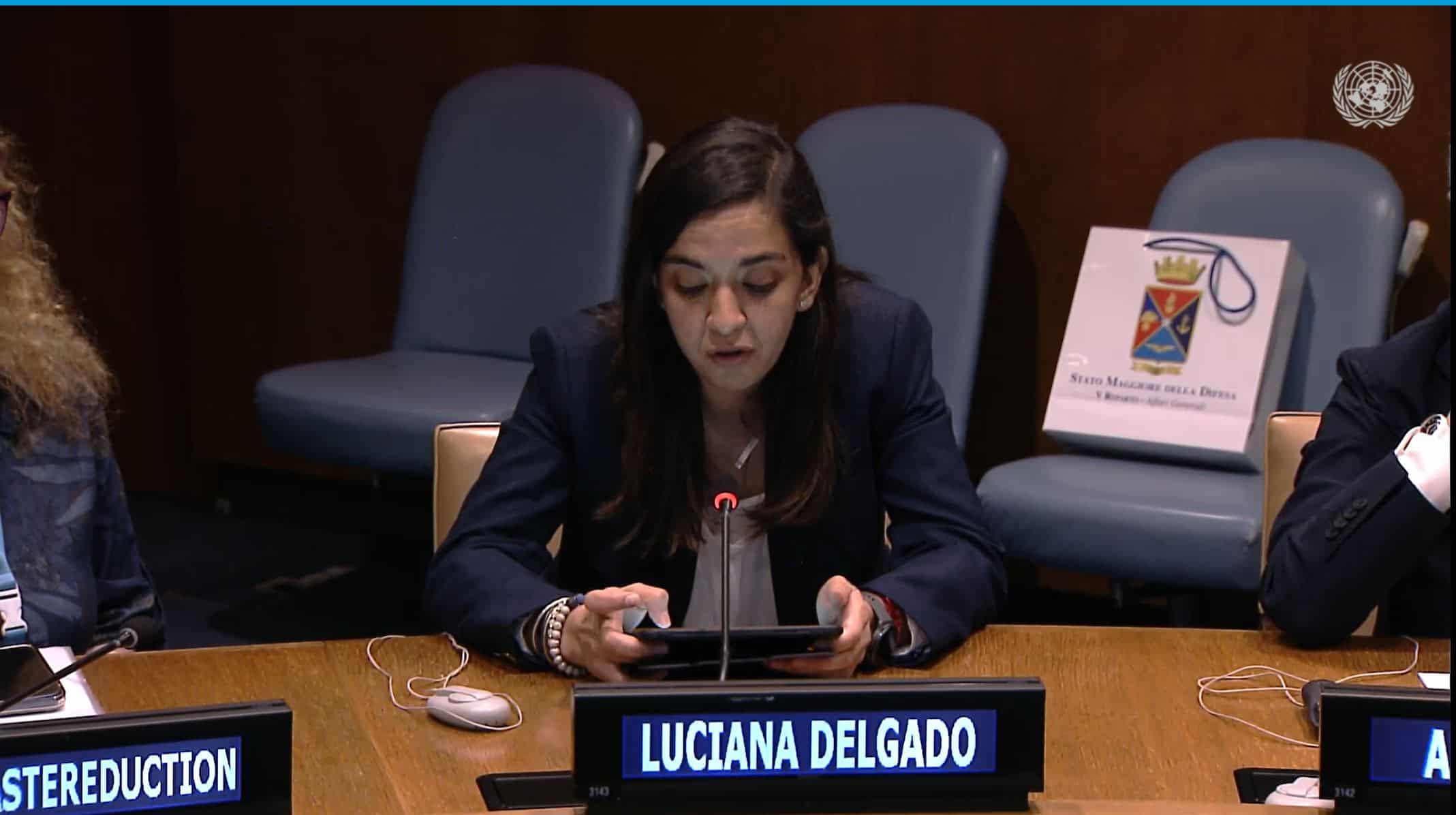
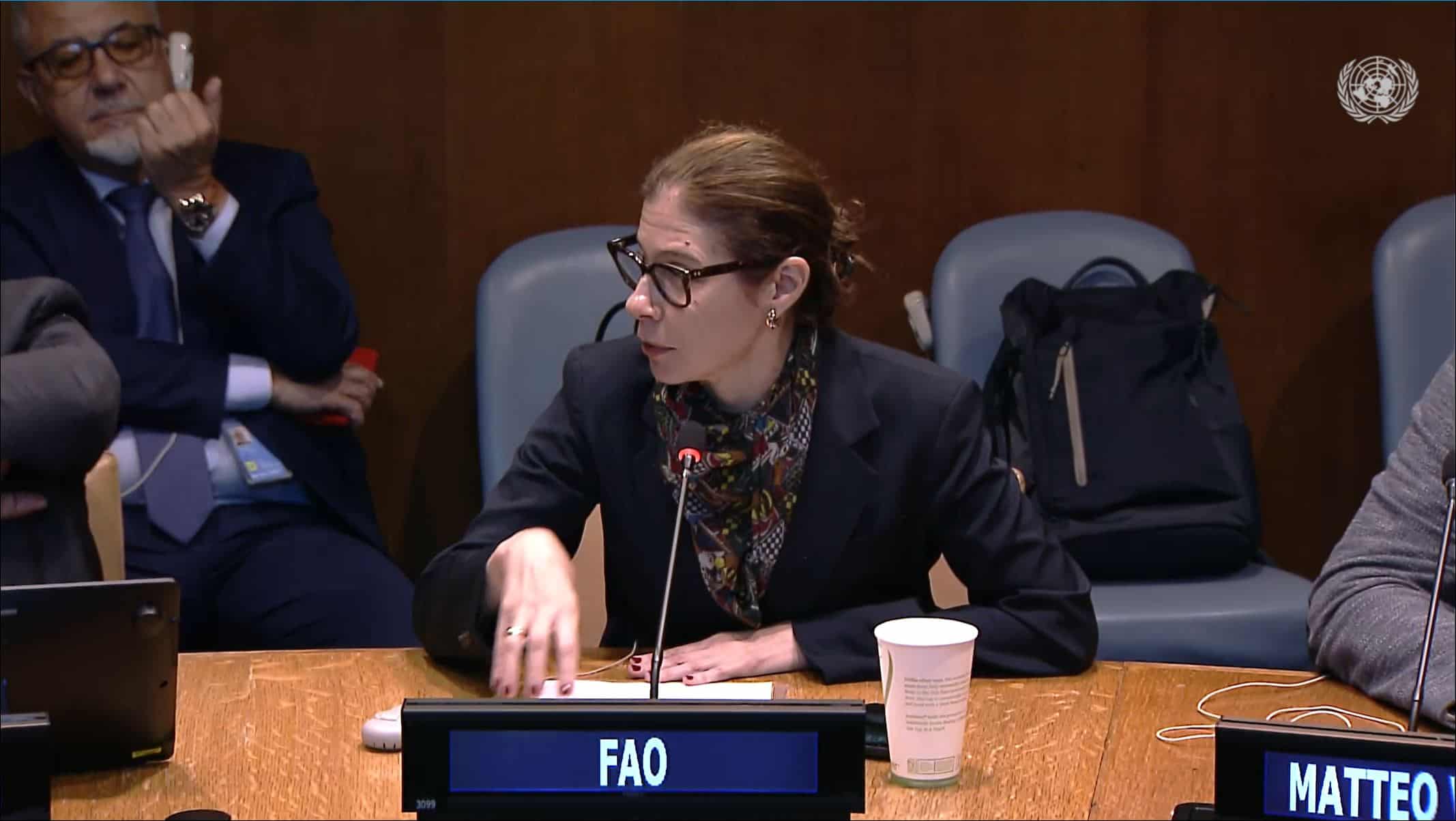
- Luciana Delgado, FAO Technical Consultant on Food Loss and Waste;
- Biagio Di Terlizzi, Director of CIHEAM – International Centre for Advanced Mediterranean Agronomic Studies.
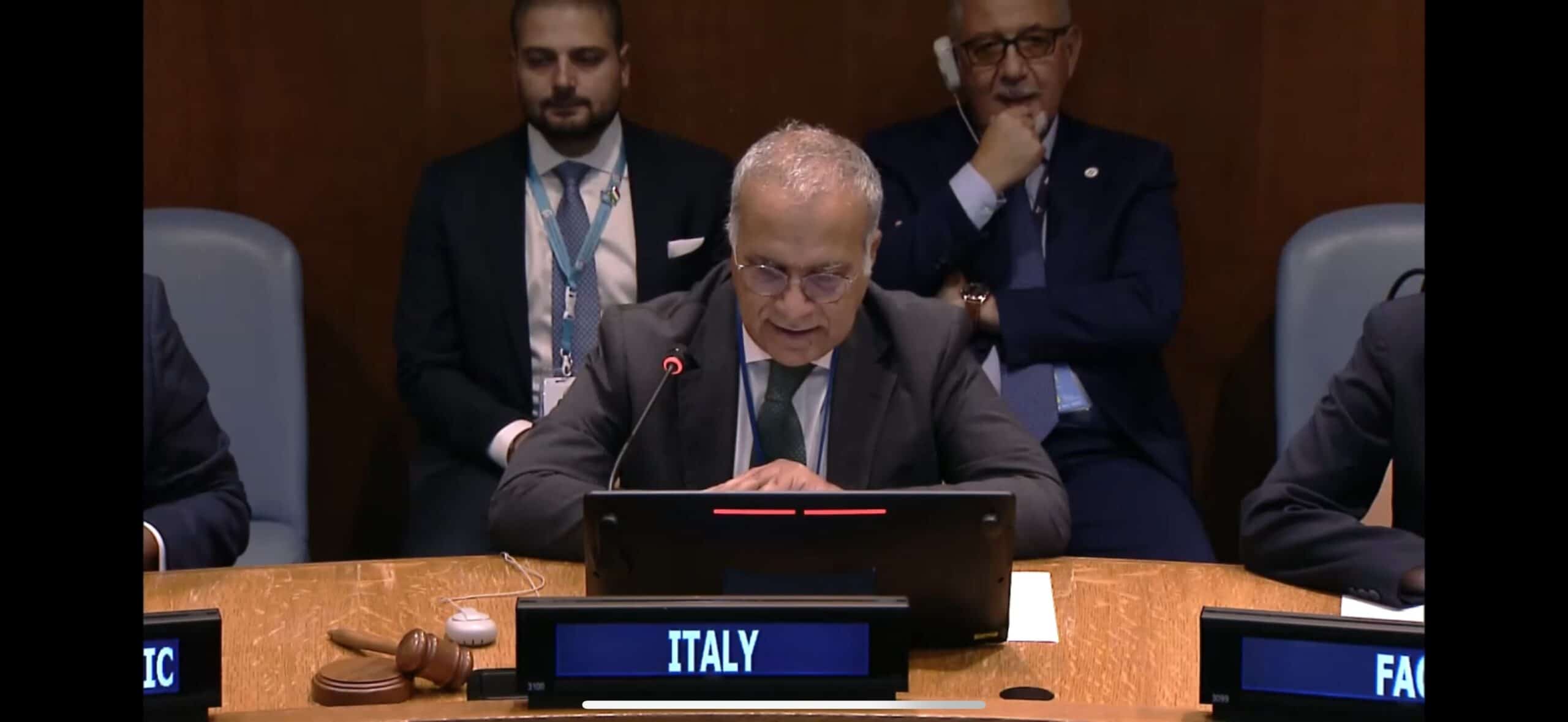
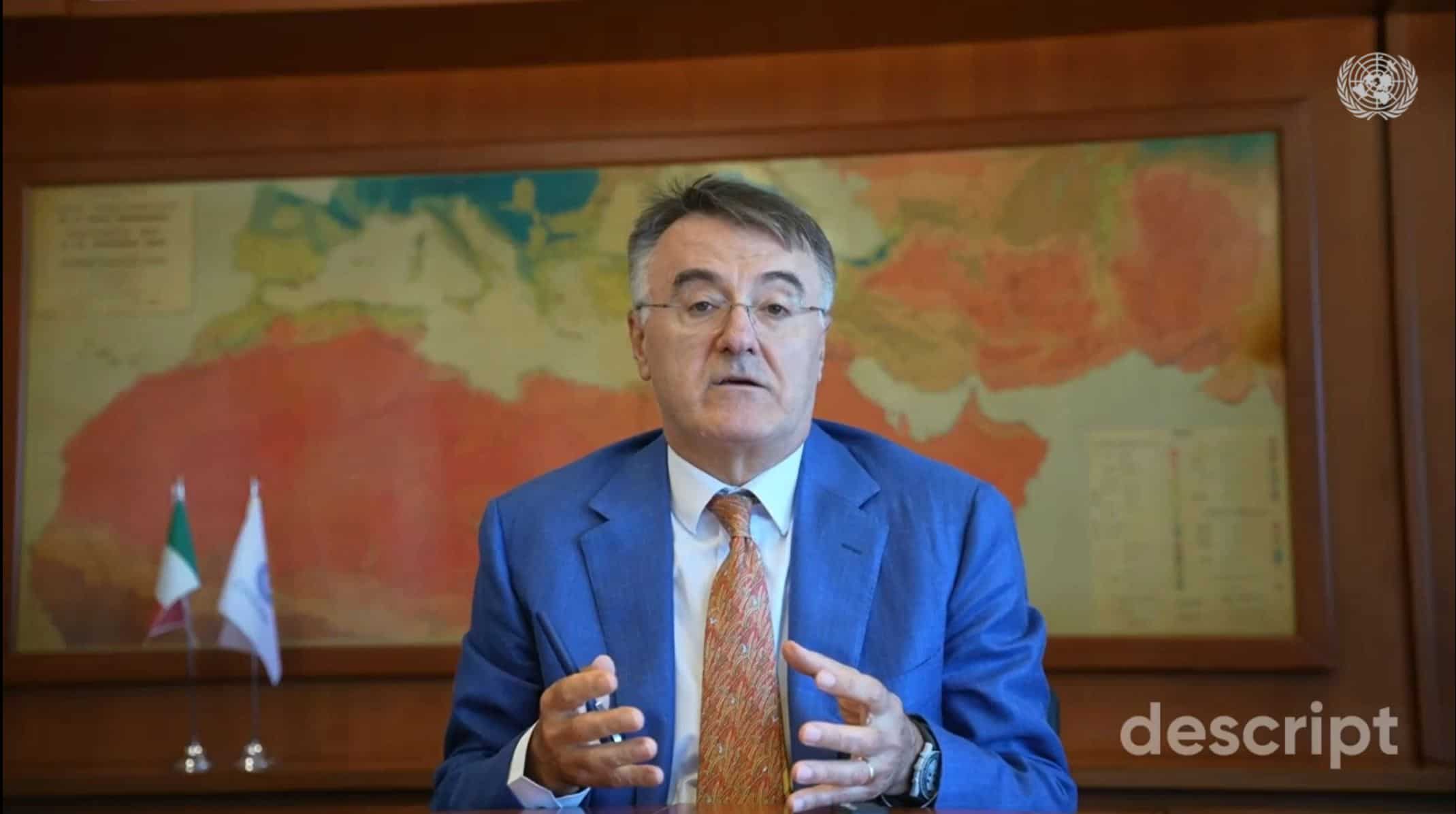
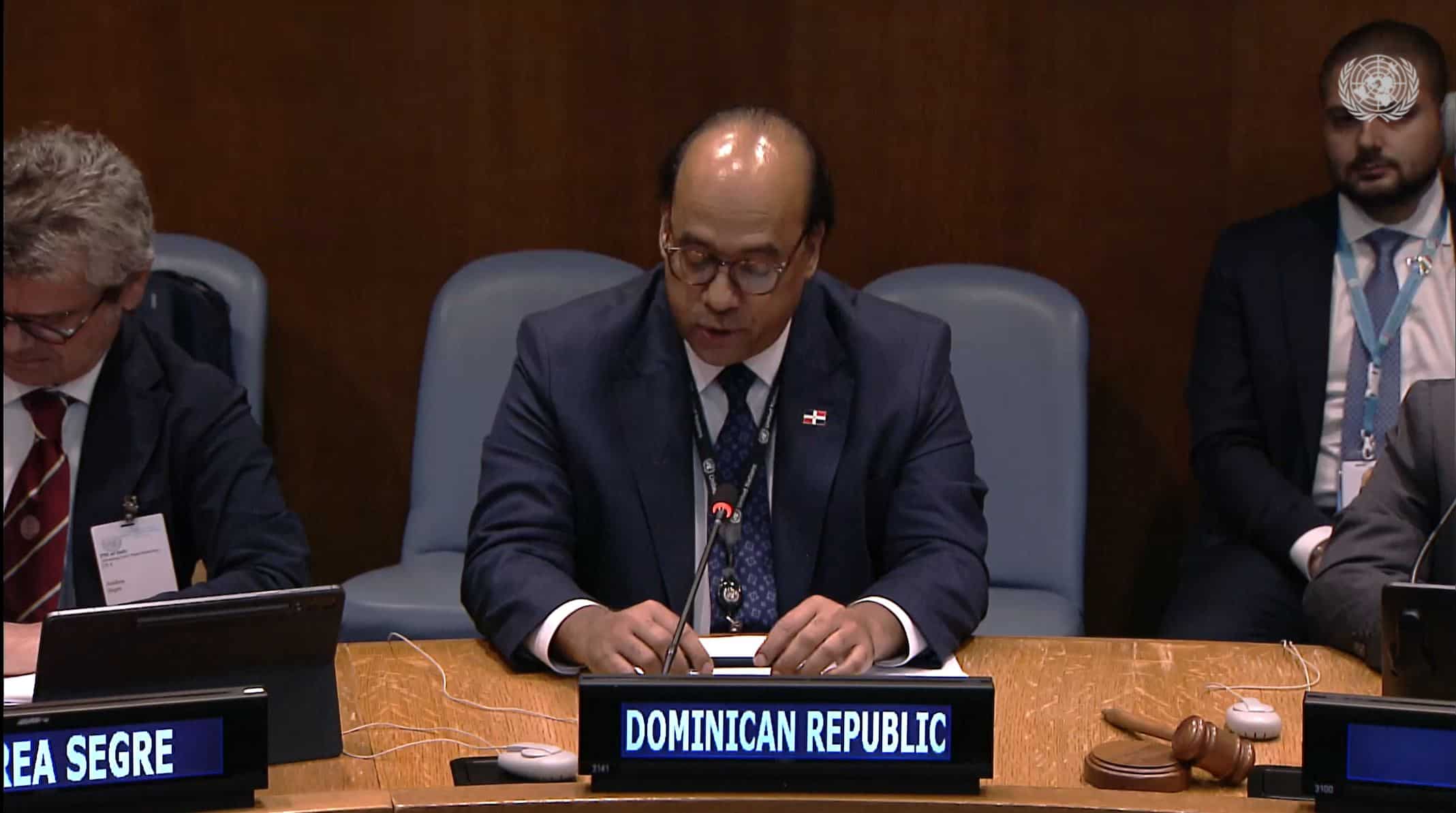
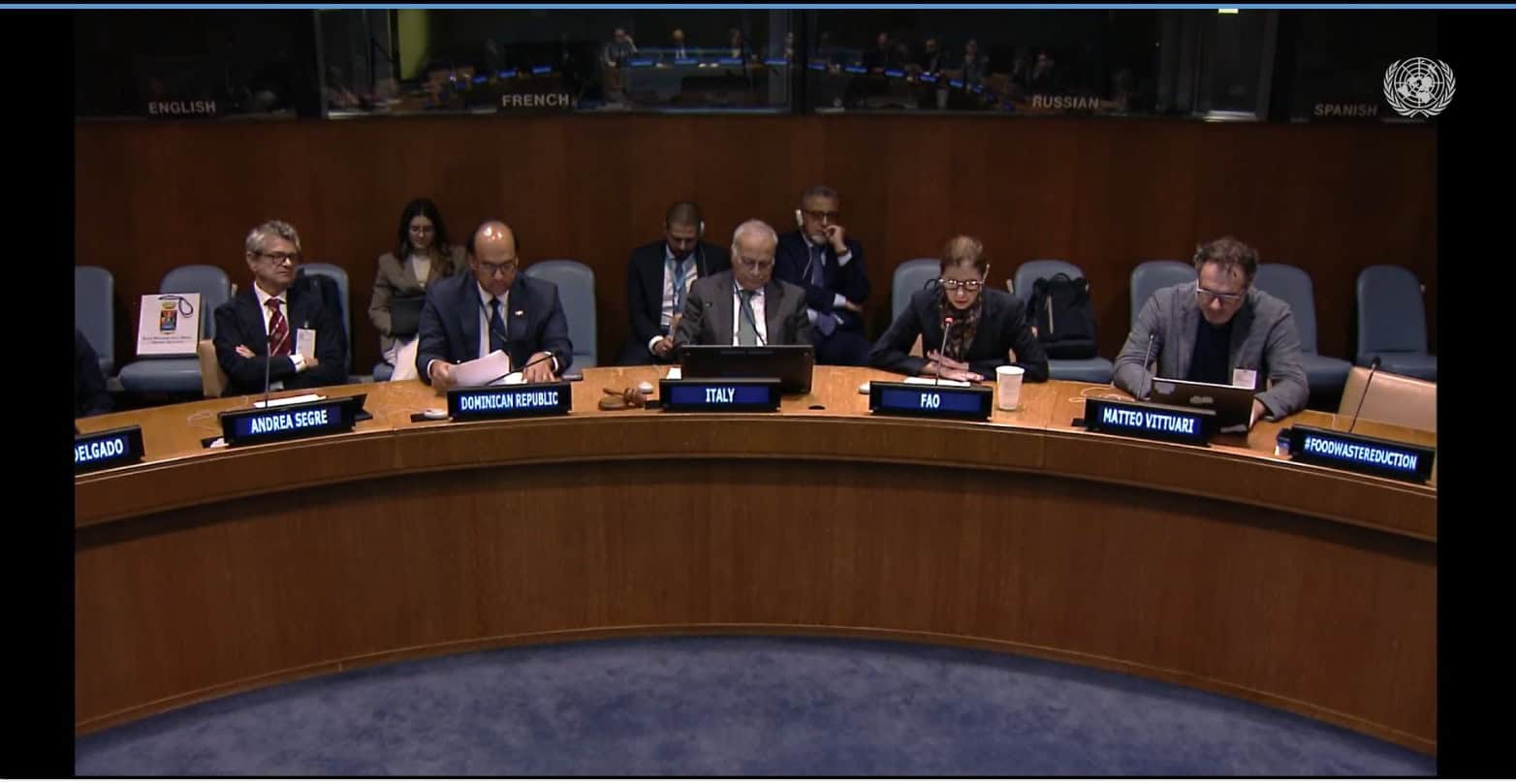
Special Award
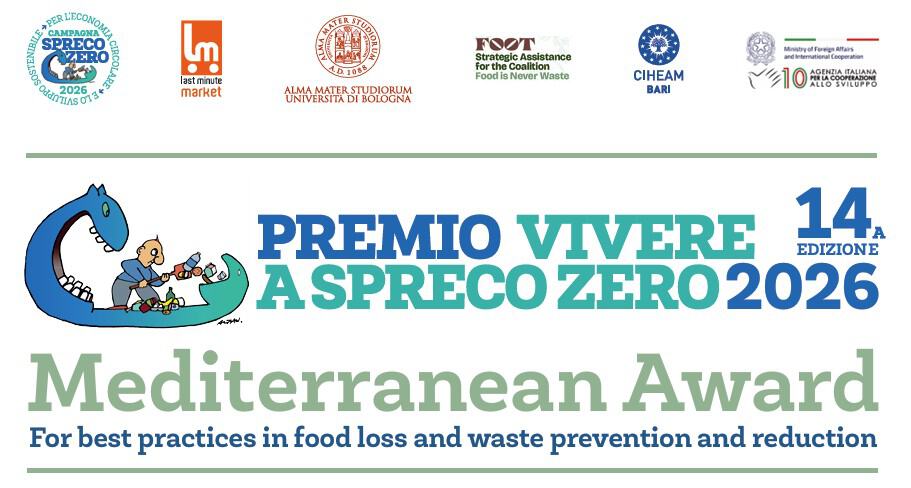
"Mediterranean Zero Waste Award”
The Mediterranean Award for Best Practices in Food Loss and Waste Prevention and Reduction is an international recognition established in 2026 to acknowledge and promote outstanding initiatives contributing to the prevention and reduction of food loss and waste and food system sustainability.
Description of the project
The FOOT project is a technical assistance initiative funded by the Italian Ministry of Foreign Affairs and International Cooperation (MAECI). Its primary objective is to support Italy’s strategic role and contribution within the UN Food Systems Summit Coalitions of Action “Food is Never Waste” and “True Value of Food”. The project is implemented by CIHEAM Bari in collaboration with the University of Bologna for the Food is Never Waste component and the University of Siena – Santa Chiara Lab for the True Value of Food component.
FOOT engages stakeholders from countries that are strategic partners of Italian development cooperation, including countries in North Africa, Sub-Saharan Africa and the Mediterranean region, as well as international organizations and institutions. Through this network, the project seeks to expand participation in the two Coalitions, strengthen international partnerships, and create new opportunities for cooperation with Italian institutions and expertise.
A central goal of the initiative is to support partner countries in developing and implementing effective local strategies to prevent and reduce food loss and waste (FLW), while also promoting methodologies and dialogue on the true value of food across selected agri-food value chains. To achieve this, the project promotes an integrated and context-specific approach that combines technical assistance, policy dialogue and capacity-building activities, while encouraging collaboration among multiple stakeholders.
The project is closely aligned with the Food Coalition, the global platform established by the Food and Agriculture Organization of the United Nations (FAO) and promoted by the Italian Government to foster collective action towards more sustainable and resilient food systems.
Italy plays a leading role in shaping international policies on food security, sustainable agriculture, climate change adaptation and food system resilience. Drawing on its extensive experience and best practices, the country contributes to global efforts aimed at building food systems that are more equitable, sustainable and capable of addressing contemporary challenges.
By strengthening the two Coalitions of Action launched during the UN Food Systems Summit, FOOT contributes to reinforcing Italy’s international role in the field of food security. At the same time, it seeks to capitalize on the knowledge and expertise developed in the areas of food loss and waste reduction and the true value of food, supporting evidence-based decision-making in countries that are strategic priorities for Italian cooperation.
As part of the Spreco Zero Campaign, we will dedicate particular attention to the Food Is Never Waste Coalition.
Winners of the 2026 Mediterranean Zero Waste Award
1st Place
ArdhiFire by ArdhiPilot
Satellite AI for Agricultural Fire Prevention and Loss Reduction | Tunisia
2nd Place
Plantopia Zero-Waste Solar Farm by PLANTOPIA LLC
A Circular Model for Sustainable Desert Agriculture | Egypt
3rd Place
AGRO-FEED UPCYCLING: FRUITS by SME Technical Bureau
Pomegranate Peel Extract for Sustainable Poultry Production — First part of the initiative: internationally published article; Second part: Upcycled Botanical Soaps: Valorizing Mediterranean Agro-Food Waste into High-Margin Personal Care Products | Egypt
Special Awards
Special Award for “Youth and Media Engagement”
More Than a Meal by Mohamed Malik JELLOULI -
Tunisia
Special Award for “Circularity”
Pal.Mushroom by YOUTH FOR ENVIRONMENT -
Palestine
2030 calling
Upcoming events
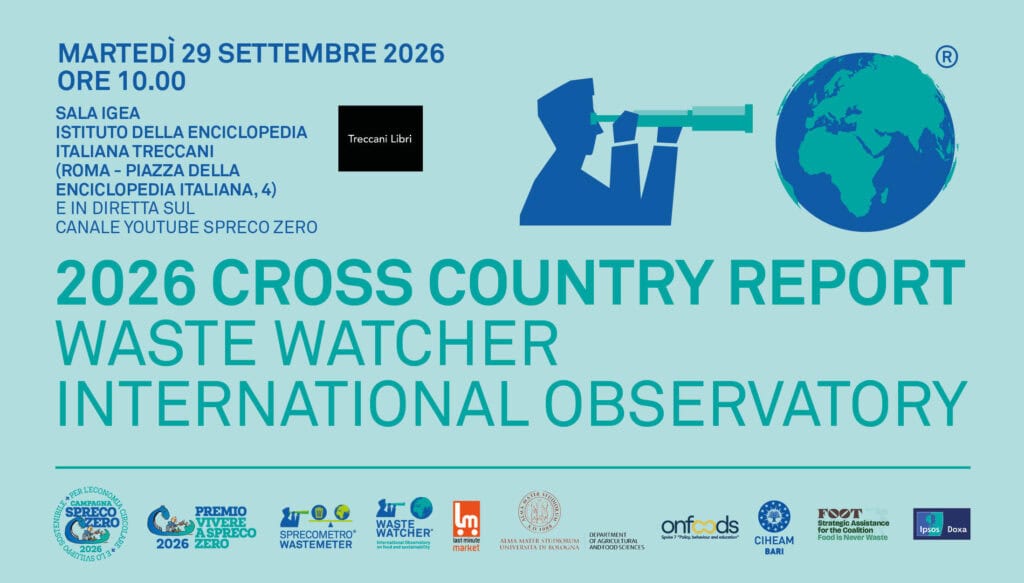
29 SEP 2026
7th International Day of Awareness of Food Loss and Waste
Video Interview Tunisian colleagues
Spreco Zero Magazine
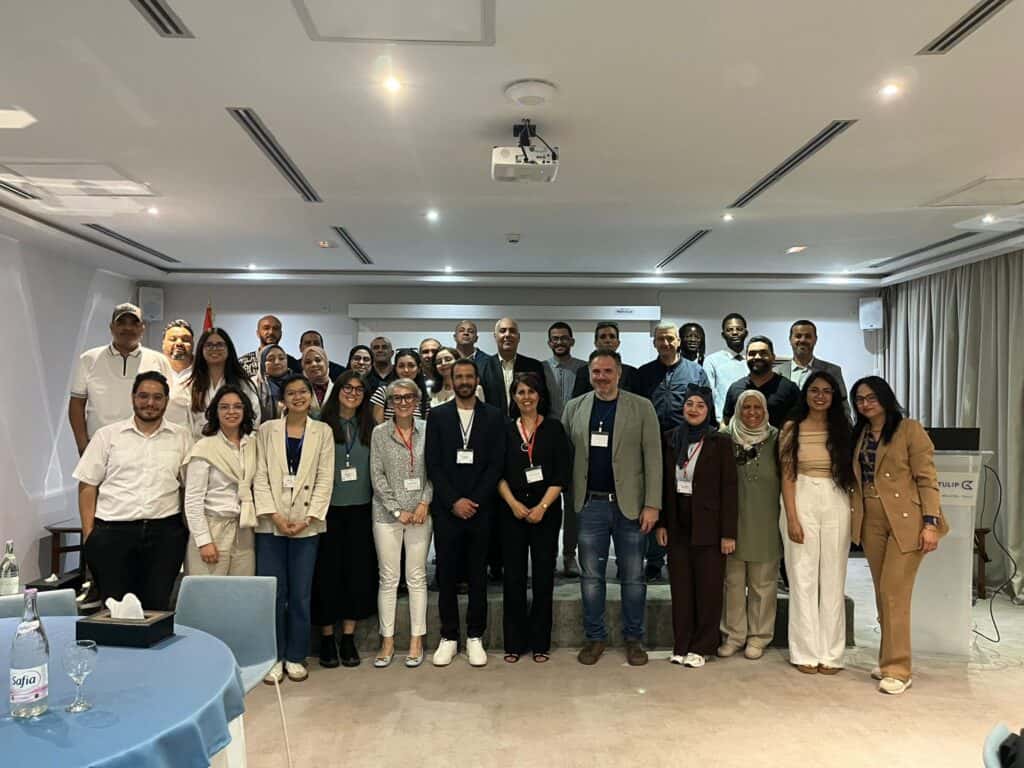
International Coalition Against Food Waste
Food is Never Waste Coalition: Collaborating to Promote Knowledge Exchange and Action on Food Waste Reduction Between Italy and Tunisia
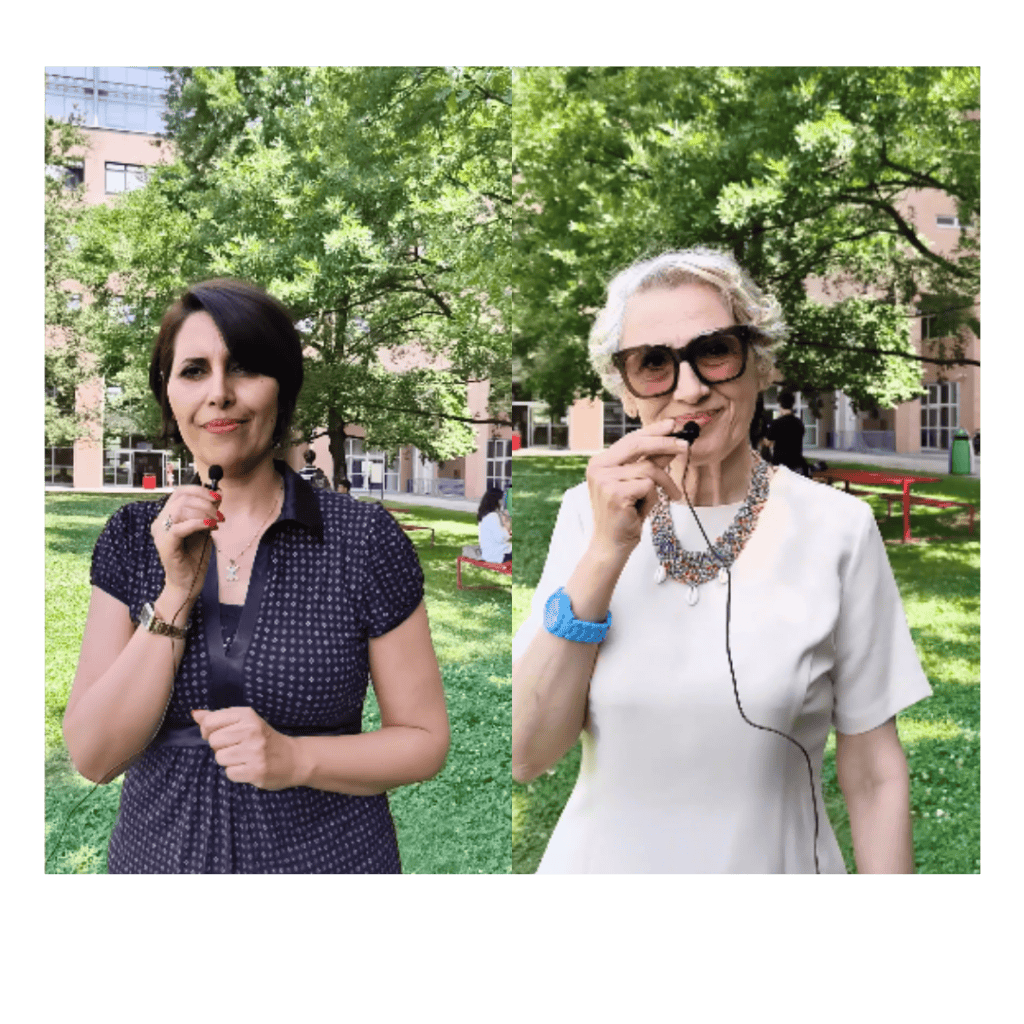
Fighting Food Waste Across the Mediterranean
The FOOT in Tunisia project is working to reduce food waste in university dining halls. The North African project leaders share their perspective
Newsletter
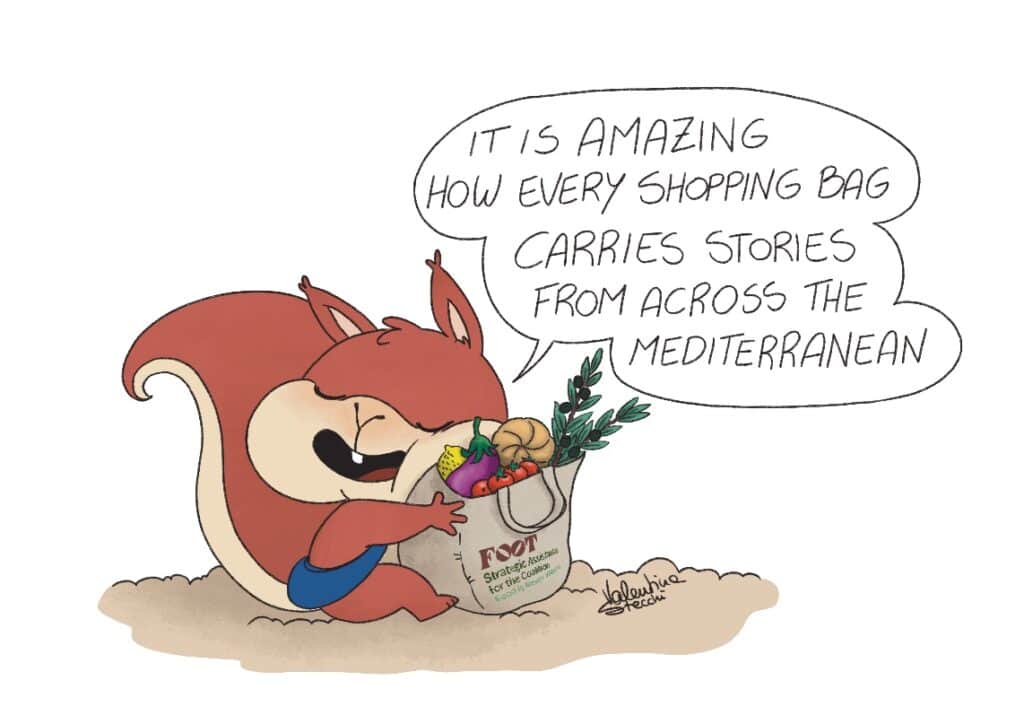
#ZEROWASTE BEST PRACTICES: THE MEDITERRANEAN AWARD IS HERE!
Launched as part of the FOOT project, the award will select initiatives and best practices focused on the prevention and reduction of food loss and waste from across all Mediterranean countries.
The awards ceremony will take place at the United Nations Headquarters in New York on October 8.
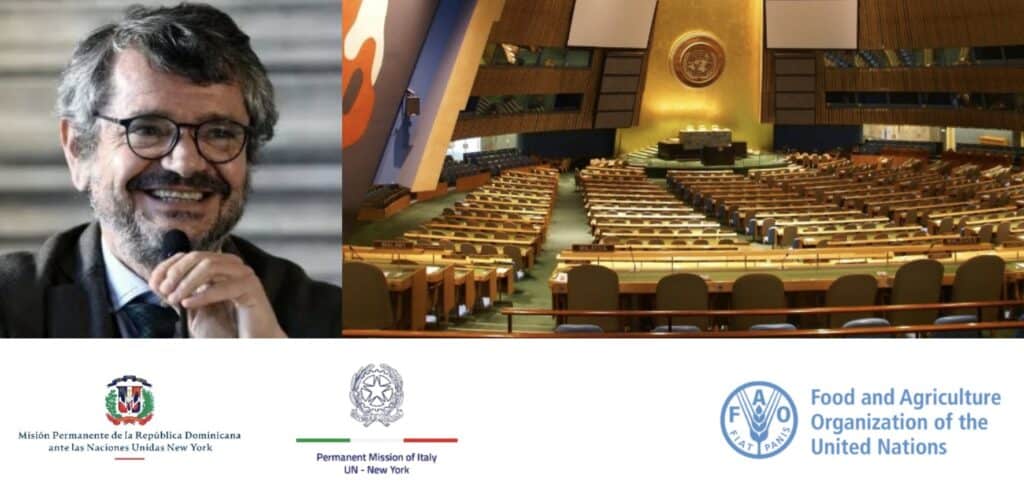
THURSDAY, OCTOBER 8, AT THE UNITED NATIONS: ITALY SHOWCASES ITS LEADING INITIATIVES TO TACKLE FOOD WASTE
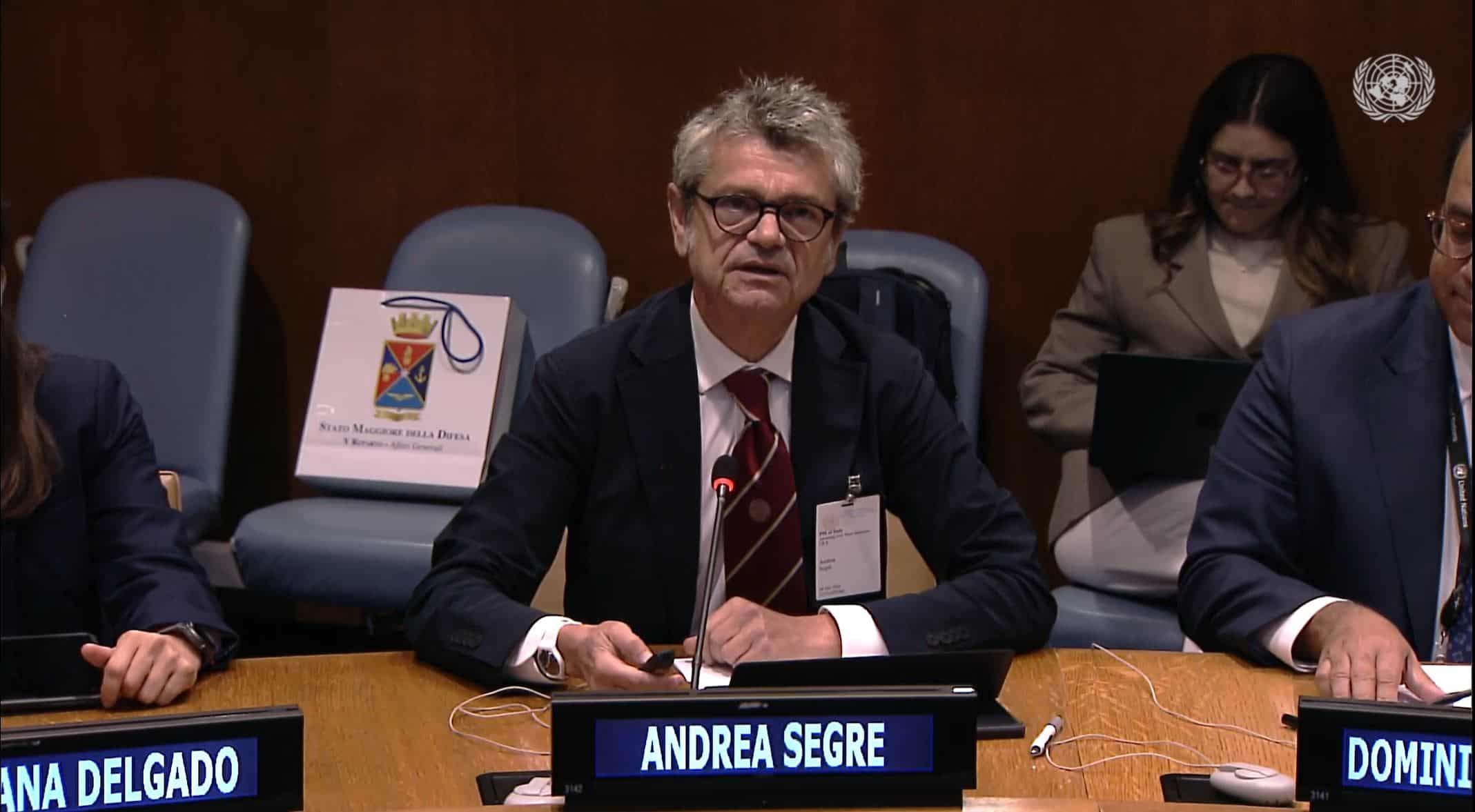
The Waste Watcher International Observatory and the Zero Waste Campaign take center stage, with Scientific Director Andrea Segrè set to deliver the much-anticipated keynote speech.
THE INTERNATIONAL CONFERENCE IN NEW YORK BUILDS ON THE THEMES OF THE INTERNATIONAL DAY OF AWARENESS OF FOOD LOSS AND WASTE (SEPTEMBER 29) AND LOOKS AHEAD TO WORLD FOOD DAY (OCTOBER 16), WITH A FOCUS ON RESEARCH AND PREVENTION.
Waste Watcher scientific director Andrea Segrè to outline at the United Nations the actions and strategies launched in Italy through the Zero Waste campaign, alongside findings from the Cross Country Report on Household Food Waste in the United States.
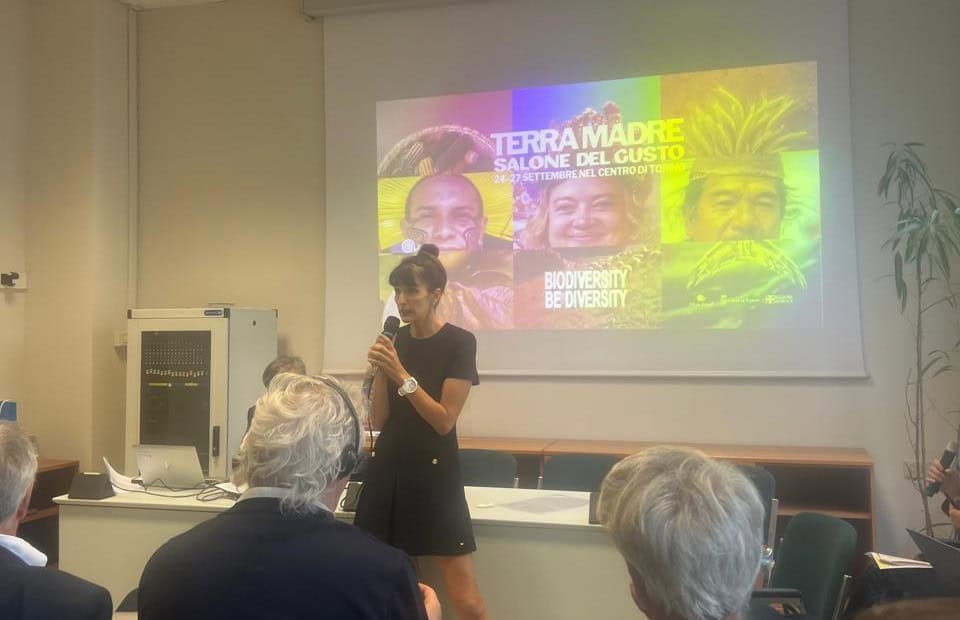
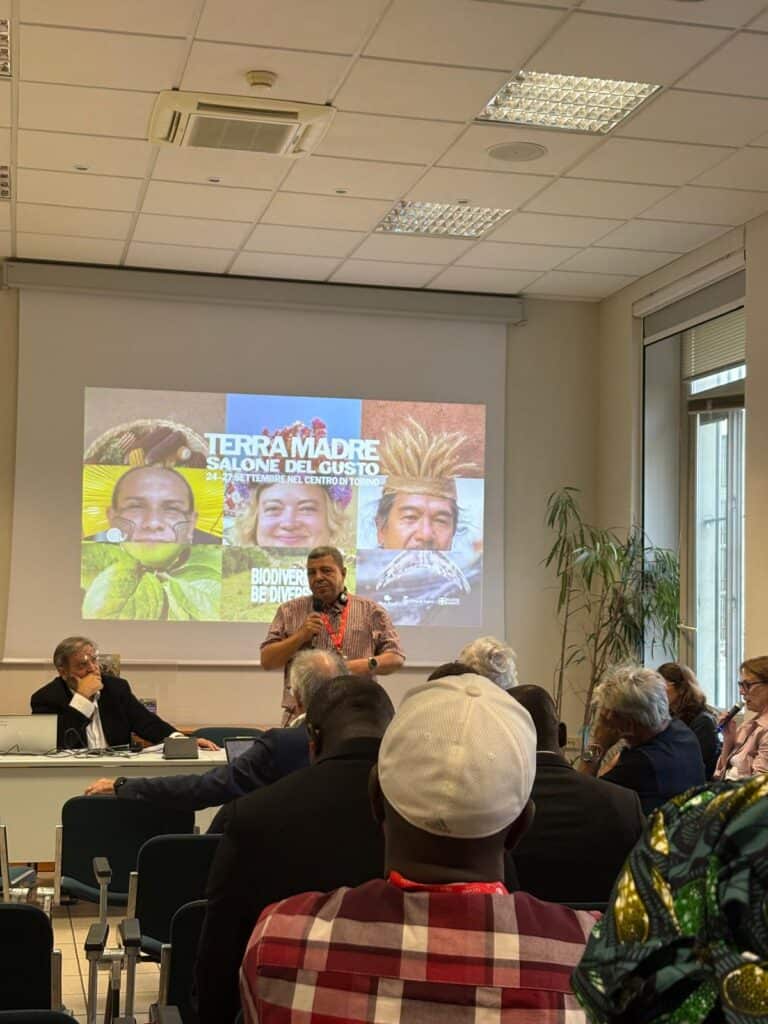
TERRA MADRE SALONE DEL GUSTO
24–27 September 2026 | Turin, Italy
Creating Value in Local Food Systems: The Italian Approach Ahead of the 2027 UN Food Systems Summit